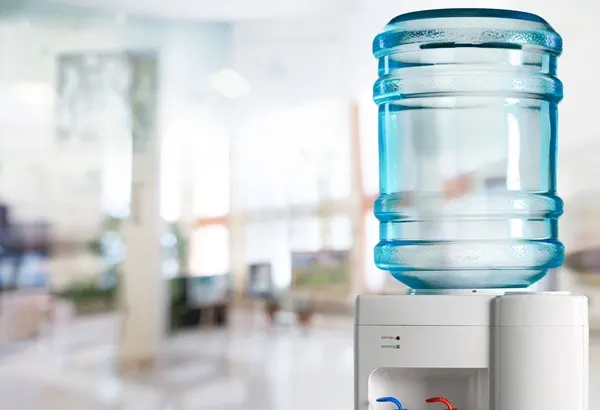
A smarter water setup can lower office costs, reduce waste, and give employees a daily perk they actually use.
Not every workplace upgrade needs to be expensive or complex. Clean, cold, easy-to-access drinking water is one of those simple improvements that can make the office feel more comfortable while also helping the business run more efficiently.
After reviewing workplace hydration needs, common office supply costs, and employee experience trends, one thing is clear: water access is more than a breakroom detail. It can affect spending, convenience, sustainability, and how people feel at work.
Why Office Water Costs Add Up
Many businesses treat office water as a minor expense. A few cases of bottled water or a five-gallon jug service may not seem like much each month. Over time, though, the total cost can grow.
Bottled water often comes with delivery fees, storage needs, bottle deposits, cooler rentals, and waste removal. Employees may also spend time replacing heavy jugs, cleaning spills, or restocking fridges. For a busy office, those small tasks can become regular disruptions.
A commercial water dispenser can help reduce those recurring costs. Many modern systems connect to an existing water line and filter water as needed. That means fewer deliveries, fewer plastic bottles, less storage space, and a more reliable supply of drinking water.
It can also make budgeting easier. Instead of changing bottled water orders based on office traffic, leaders can plan around a more consistent system. That can be helpful for hybrid workplaces, growing teams, and offices that host clients or visitors.
Waste reduction is another benefit. Single-use plastic bottles take up space and create trash. Replacing them with refillable bottles and filtered water stations gives companies a simple way to support sustainability goals without adding a complicated program.
Better Water Access Supports a Better Workday
Employee satisfaction is shaped by major factors like pay, workload, flexibility, and leadership. Still, everyday details matter too. A clean breakroom, reliable coffee, comfortable seating, and good drinking water all help shape the work environment.
Hydration is easy to overlook during a busy day. Employees may move from meeting to meeting, sit through long work blocks, or choose sugary drinks when water is not convenient or appealing. The CDC encourages people to drink water instead of sugar-sweetened beverages and suggests keeping water nearby throughout the day.
That same idea applies in the workplace. When water is easy to access and tastes good, people are more likely to drink it. A filtered dispenser in a central location can make refilling a bottle quick and simple.
Some systems also offer hot water or sparkling water, which can make the breakroom more useful without adding several separate machines. That can help reduce spending on canned drinks, bottled beverages, or extra appliances.
There is also a culture benefit. A modern water station gives employees a reason to step away from their desks, stretch, and reset. In hybrid offices, small shared spaces like this can make in-office days feel more welcoming.
Forbes has reported on the growing importance of workplace well-being and employee experience. Water access fits that shift well. It is practical, inclusive, and useful to everyone, no matter their role or department.
What to Consider Before Choosing a System
The right dispenser depends on the size and habits of the workplace. A small office may only need one unit in a kitchen or breakroom. A larger office may need several stations near meeting rooms, work areas, customer waiting spaces, or warehouse floors.
Start with employee count and daily usage. Think about peak times, not just average demand. If many people refill bottles before meetings or lunch, the system needs to keep up.
Next, look at water quality. Some businesses mainly want better taste. Others may want filtration for chlorine, sediment, odors, or local water concerns. A strong system should match the needs of the building and include a clear filter replacement schedule.
Maintenance is just as important as features. Ask who handles cleaning, repairs, filter changes, and service calls. A dispenser that is hard to maintain can become more trouble than it is worth.
Placement also matters. The unit should be easy to reach, close to plumbing and power if needed, and located where employees already gather. Good placement increases use and keeps traffic moving.
Leaders should also compare hot, cold, ambient, and sparkling options. A client-facing office may want a polished water station. A warehouse may need a durable, high-capacity unit. A wellness-focused company may value sparkling water as an alternative to canned drinks.
When comparing costs, look at the full picture. Include installation, service, filters, energy use, warranty coverage, and expected lifespan. Then compare that total with current bottled water or delivery spending.
Small Change, Strong Workplace Value
A better water dispenser may seem like a small upgrade, but it can solve several office problems at once. It can reduce bottled water spending, cut waste, save storage space, and make the workplace feel more thoughtful.
For employees, the benefit is simple. They get clean, convenient water during the day without dealing with empty bottles, heavy jugs, or crowded fridges.
For business leaders, the value is practical. Review current water costs, consider employee needs, compare service options, and choose a system that fits how the workplace actually runs.
The right office water setup can support healthier habits, cleaner operations, and a better everyday experience for the people who keep the business moving.