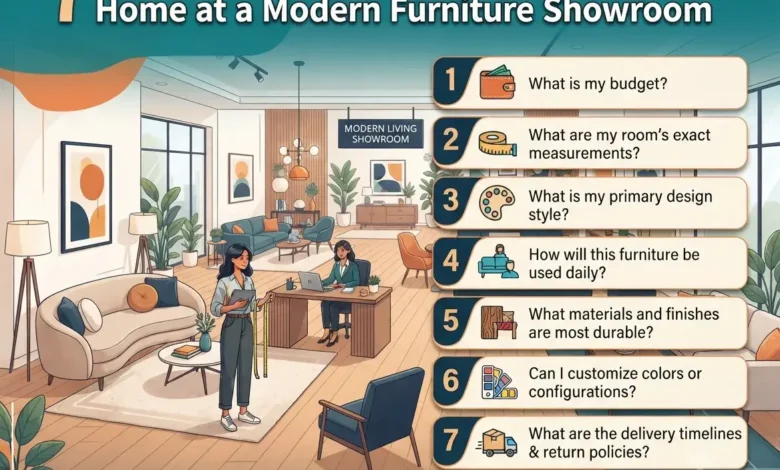
Furnishing a home requires more than choosing attractive pieces from a showroom floor. Each item must suit the room, support daily routines, and work with furniture you already own. A clear plan helps you compare materials, proportions, comfort, delivery details, and long-term value before committing. Ask these seven questions during your visit to make confident choices and avoid expensive mismatches.
1. Will the Furniture Fit the Room and the Home?
Take measurements before visiting, including doorways, stairways, elevators, and narrow turns. A piece that fits an empty room can still fail if delivery staff cannot move it through the entrance. Record the ceiling height, wall lengths, window positions, and locations of vents or outlets.
A showroom visit is more useful when you bring a floor plan or photographs. If you plan to visit a modern furniture store in Fort Lauderdale, carry those details so you can compare proportions with greater accuracy. Ask whether a sectional separates, whether legs detach, and whether the item arrives assembled.
2. Does the Room Actually Need the Furniture?
Start with the room’s purpose, not a single product. A living room used for family gatherings requires comfortable seating and practical surfaces, while a dining area needs adequate clearance around the table. Bedrooms call for storage, restful proportions, and convenient access to lighting.
Write down the pieces that solve immediate problems. If the sofa is worn but the coffee table still works, prioritize seating rather than replacing everything at once. This approach protects your budget and gives each purchase a clear role.
3. How Will the Materials Handle Daily Use?
Ask what each surface and upholstery material requires in ordinary conditions. Homes with children, pets, frequent guests, or outdoor living areas need finishes that suit the level of activity. A delicate surface could demand more care than your schedule allows.
Request cleaning instructions before buying. Check whether spills require immediate treatment, whether cushions can be rotated, and whether replacement covers or components are available. Also examine seams, drawer operation, table stability, and the quality of hardware rather than judging a piece by appearance alone.
4. Does the Comfort Match the Way You Live?
Sit on sofas and chairs for several minutes instead of making a decision while standing. Test the seat depth, back support, arm height, and firmness. Someone who reads or works from a sofa needs different support from someone who uses it mainly for short conversations.
Open drawers, lie on mattresses, and pull out extension mechanisms where appropriate. Ask whether cushions keep their shape with regular use and whether the height works with existing tables. Comfort is personal, so a sales description cannot replace a direct test.
5. Will the Style Work With Existing Pieces?
Modern furniture does not require every item to match. It does require a deliberate relationship between shapes, finishes, colors, and visual weight. Bring photographs of your current flooring, rugs, artwork, cabinetry, and major furniture so you can compare new pieces with the actual setting.
Choose one or two elements to connect the room, such as a wood tone, metal finish, or repeated color. Avoid buying several statement pieces that compete for attention. A simpler foundation gives artwork, lighting, and accessories enough space to contribute without making the room feel crowded.
6. What Are the Full Delivery Details?
Ask whether the item is in stock, how delivery is scheduled, and what installation includes. Confirm who measures access points, whether packaging is removed, and what happens if the furniture cannot enter the home. These details matter as much as the showroom price.
Inspect the item promptly after delivery and keep purchase records, care instructions, and warranty information together. Ask how damage, defects, or missing parts are handled. A clear process prevents confusion if the delivered piece differs from what you approved in the showroom.
7. Does the Purchase Support the Complete Plan?
Review the room as a whole before paying a deposit. A sofa might look appealing alone, yet leave insufficient space for side tables, walking paths, or a media unit. Check the relationship between major pieces and identify anything that still needs to be sourced.
Create a simple purchase order based on function and timing:
- Measure the room and every access route.
- Select the largest necessary piece first.
- Confirm comfort, finish, care, and delivery details.
- Add secondary furniture after checking available space.
- Reserve accessories until the main layout is complete.
This sequence reduces impulse purchases and helps you see which items are essential, flexible, or better postponed. It also makes later decisions easier because every addition has a defined place.
Conclusion
Take room measurements, photographs, and a written priority list to the showroom. Test comfort, inspect construction, compare materials, and ask direct questions about access, delivery, care, and warranty coverage. Then review the complete layout before adding decorative pieces. A thoughtful purchase plan creates a home that looks cohesive, works for daily life, and avoids the cost of replacing furniture that never suited the space.